How to Prepare for a Pest Spray and What to Do Before Your Technician Arrives
Published
|
Last updated
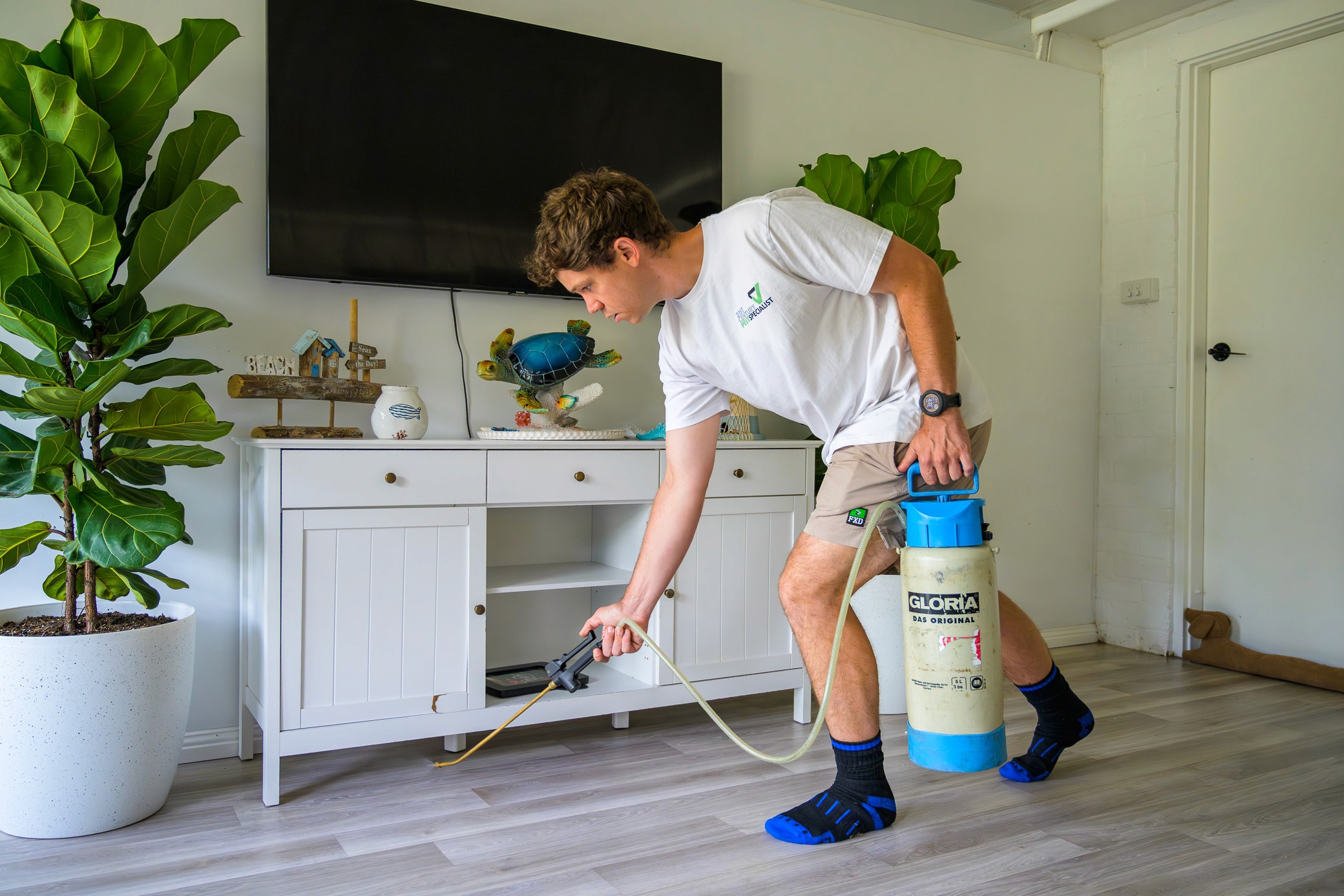
Preparing for a pest spray is straightforward, but doing it properly makes a real difference to how effective the treatment will be. A good technician can only work with the access and conditions you give them, so getting your home ready beforehand helps ensure the spray reaches every corner that pests like to hide in. Whether you are dealing with ants, cockroaches, spiders, rodents or something more serious like termites, a bit of prep work goes a long way.
Before anything else, it helps to understand what types of pests can actually be treated. Most pest control companies handle a broad range of problems, including crawling pests like ants, cockroaches and spiders, flying pests like flies and wasps, and rodents like rats and mice. If you suspect termites, that falls under more specialised treatment, so you should mention it when you book. Termites need a different approach compared with standard household sprays.
Children and Pets
Regardless of the pest, one of the first questions people ask is whether the treatment is safe for pets and children. Modern products are far safer than what was used years ago, but that does not mean you should be casual about it. Pets and kids should be kept away from the treated areas until everything has dried and the technician gives the all clear.
Some treatments may require that you leave the house entirely during the application, especially if anyone in the home has asthma or chemical sensitivities. Play it safe. The treatment only needs a short window undisturbed, and it is better for everyone.
What to do before the technician arrives
Clear access to the property and affected areas
One part of preparing properly is clearing access for the technician. They need to reach skirting boards, cupboards, corners and any place pests like to live. If you are dealing with German cockroaches, you will usually be told to empty your kitchen cupboards and clear your bench tops. This lets the technician inspect thoroughly and place baits or apply products exactly where they are needed.
For general pest sprays, you may not need to empty cupboards, but it is still good practice to tidy up and remove clutter from floor areas. If there are piles of clothes, storage boxes or general mess blocking access, move them temporarily so the spray can be applied evenly.
Clean the areas before treatment
Before the technician arrives, give the house a light clean. You do not need a deep spring clean, but removing crumbs, food scraps and spills is important because these are attractants for pests. Vacuuming also helps disturb hidden insects and brings them out of hiding, which can improve the effectiveness of the treatment.
Take rubbish out, wipe down benches and pack away pet bowls and food. This keeps everything clear and reduces the chance of pests avoiding treated areas.
If you found termites
If you find termites during your preparation, the one thing you should not do is disturb them. People often panic and try to scrape them away or spray them with supermarket products. This usually makes the situation worse. Termites will simply move to another hidden part of your home, making it harder to eliminate the colony. Leave them alone and let the technician inspect the site exactly as it is.
Pest treatments and methods
Treatments vary depending on the pest type and how severe the problem is. Your technician may use chemical sprays, baits, physical barriers or biological agents. Each method has a specific purpose, so trust their recommendation rather than pushing for a single approach. They will choose the right method for your property, layout and infestation level. The length of the visit will also depend on these factors. Some treatments take less than an hour, while more severe or targeted services may take longer or require multiple visits.
What to do after the pest spray
Once the spray has been applied, most people expect instant results, but that is not how pest control works. You may still see pests for a short period, especially cockroaches and ants that have been hiding. The treatment needs time to spread through cracks, crevices and nests. Some pests are simply more resilient, and full elimination can take days or even weeks. Persistence and follow up treatments are sometimes necessary, but this is normal.
How long does a pest spray last?
The lasting power of a pest spray can range from two to six months depending on what was used and the environment around your home. Heavy rain, high heat and the type of pest all influence how long the treatment remains effective. Keeping your home clean, sealing food properly and avoiding unnecessary moisture indoors will help stretch out the protection.
If you are unsure about anything before your appointment or want personalised advice, get in touch with our team. We are here to answer your questions and help you prepare so you get the best possible results from your treatment.